An Insider's Guide to NYC's SoHo Neighborhood

Every successful person understands the power of transformation, and no New York neighborhood embodies that story better than SoHo. It wasn't always the chic, global destination we know today. It rose from an industrial wasteland known as "Hell's Hundred Acres," saved from demolition by artists and preservationists who saw value where others saw decay. That history of grit, vision, and reinvention is embedded in its DNA. Understanding this journey changes how you experience SoHo, turning a simple walk into an appreciation for the resilience and creativity that shaped its cast-iron facades and cobblestone streets. This guide explores that rich history and shows you how it informs the world-class culture, shopping, and dining you’ll find today.
Key Takeaways
- Appreciate the Architecture That Defines SoHo
: The neighborhood's real value lies in its history as the world's largest cast-iron district. To truly experience SoHo, look up from the street level and notice the detailed facades on streets like Greene and Wooster, which tell the story of its industrial past.
- Invest in Curated Experiences, Not Just Products
: SoHo is designed for a discerning audience. Approach it with a mindset of quality, whether you're shopping for lasting wardrobe staples, discovering a unique piece at an independent boutique, or dining at a classic establishment like Balthazar.
- Follow a Simple Walking Route for an Efficient Visit
: Make the most of your time by starting at Prince Street, weaving through the quieter historic side streets like Mercer and Greene to see the architecture, and then finishing your tour along West Broadway to browse the art galleries.
What is SoHo and Where Can You Find It?
SoHo, an acronym for "South of Houston Street," is one of Lower Manhattan's most iconic neighborhoods. It’s a place where history and modern luxury meet, famous for its stunning cast-iron architecture, high-end boutiques, and a creative energy that dates back to its days as an artists' haven. What started as an industrial district has completely transformed into a cultural hotspot. Whether you're looking to browse world-class art galleries, shop for designer brands, or just soak in the unique atmosphere of its cobblestone streets, SoHo offers a distinct New York experience that feels both historic and incredibly current.
Pinpointing SoHo: Boundaries and Neighboring Districts
SoHo's layout is pretty straightforward once you know its borders. The neighborhood is neatly tucked south of Houston Street, north of Canal Street, east of Sixth Avenue, and west of Crosby Street. This central location makes it an excellent starting point for exploring more of downtown. You're just a short walk from the charming streets of Greenwich Village to the west and the delicious culinary scene of Little Italy to the east. Understanding these boundaries helps you get your bearings and plan a day of exploration. It's the perfect place to wander and discover the best of SoHo without feeling lost in the city grid.
Your Best Routes for Getting to SoHo
Getting to SoHo is incredibly easy, thanks to its excellent subway access. No matter where you're coming from in the city, you have plenty of options. You can hop on the N, R, 6, B, D, F, M, C, or E trains, all of which have stops that will drop you right in the heart of the neighborhood. Aim for stations like Prince Street, Canal Street, Spring Street, or Broadway-Lafayette. From any of these stops, you’re just steps away from the main shopping streets and architectural landmarks. This convenience is a huge part of what makes SoHo such a popular and accessible destination.
How SoHo Became a Cultural Hub
From Industrial Grit to Artistic Glory
SoHo's story is one of constant reinvention, something any successful person can appreciate. It didn't just appear as the chic neighborhood we know today. Its journey started as farmland, evolved into a bustling 19th-century shopping and entertainment district, and then declined into an industrial wasteland known as "Hell's Hundred Acres." By the mid-20th century, many of its grand buildings were abandoned and falling into disrepair. This cycle of boom and bust set the stage for one of New York's most remarkable transformations, turning industrial grit into a hub of creativity and culture. It’s a powerful reminder that value can be found and created where others only see decay.
The Artists Who Shaped Modern SoHo
The real turning point for SoHo came in the 1960s, thanks to the city's artists. Priced out of neighborhoods like Greenwich Village, they saw an opportunity in SoHo's vast, empty industrial lofts. These spaces, with their high ceilings and large windows, were perfect for studios. Artists moved in illegally at first, converting these raw factory floors into live-work spaces and building a tight-knit community from the ground up. They established galleries and performance venues, creating a lively art scene that began to draw attention. Their presence was so influential that it eventually led to new zoning laws, legalizing their lofts and cementing SoHo's new identity as an artistic haven.
Saving the Neighborhood's Soul
Just as the arts community was flourishing, SoHo faced an existential threat. In the 1960s, a massive highway project—the Lower Manhattan Expressway—was planned to cut directly through the neighborhood, which would have leveled most of its historic buildings. The neighborhood's future was saved by the strong efforts from people who recognized the value of its unique architecture. This coalition of local artists and preservationists fought back and won. Their victory led to the creation of the SoHo Cast Iron Historic District, which now protects nearly 500 buildings. This act of preservation didn't just save the buildings; it saved the soul of the neighborhood, ensuring its character would endure for generations.
Why SoHo's Cast-Iron Architecture is a Must-See
Walking through SoHo is like stepping into a different era of New York City. The neighborhood’s defining feature isn't just its cobblestone streets or high-end boutiques; it's the stunning collection of cast-iron buildings that line them. This isn't just a random assortment of old structures—it's a deliberate, preserved snapshot of 19th-century innovation. At a time when building with stone was slow and expensive, cast iron offered a revolutionary alternative. It allowed for intricate, ornate facades to be mass-produced and bolted onto buildings, creating a look of European elegance on an industrial scale.
This architectural style is the very foundation of SoHo's identity. The large windows designed to light up factory floors and the spacious interiors supported by slender columns are the same features that later attracted artists seeking light-filled lofts. Understanding this history changes how you see the neighborhood. You start to appreciate the blend of grit and grace that defines SoHo, recognizing that its modern-day glamour is built directly on its industrial past. It’s a story of resilience, creativity, and the powerful community effort that saved it all from being demolished.
Discover the World's Largest Cast-Iron District
It might surprise you to learn that SoHo is home to the world's largest collection of cast-iron architecture, with roughly 250 of these historic buildings concentrated in one area. This makes the neighborhood a living museum of a building technique that flourished in the late 1800s. These weren't just warehouses; they were cathedrals of commerce, built to impress. The ability to prefabricate entire facades in a factory and assemble them on-site was a game-changer, allowing for faster construction and incredible decorative detail that was previously reserved for the ultra-wealthy. Walking down streets like Greene and Broome, you're surrounded by the legacy of this industrial boom.
Key Architectural Details to Look For
The real magic of SoHo's architecture is that it was designed to look like something it's not. When you're there, look closely at the ornate columns, arches, and window frames. They appear to be intricately carved stone, but they are actually pieces of iron that were cast from a mold and painted to mimic it. This method was a brilliant, cost-effective shortcut. Also, notice the size of the windows. The massive panes of glass, made possible by the strength of the iron frames, were essential for illuminating the textile factories and showrooms that originally occupied these buildings. These are the details that tell the story of SoHo's commercial origins.
How Preservation Keeps SoHo's Character Intact
SoHo as we know it almost didn't exist. In the 1960s, a massive highway project, the Lower Manhattan Expressway, was planned to cut directly through the neighborhood, which would have meant demolishing most of these historic buildings. The area, then known as "Hell's Hundred Acres," was seen as an industrial wasteland. But a powerful preservation movement, led by activists and the artists who had begun quietly moving into the spacious lofts, fought back. Their efforts succeeded, and in 1973, the SoHo-Cast Iron Historic District was designated, protecting its unique architectural heritage for good. This victory is why you can still experience its incredible character today.
SoHo is undeniably one of New York City’s premier shopping destinations. Whether you're looking to invest in high-quality wardrobe staples, find a unique gift, or simply enjoy the experience of browsing beautifully curated stores, this neighborhood delivers. The cobblestone streets are lined with everything from global luxury flagships to one-of-a-kind independent boutiques, offering a shopping experience that feels both iconic and personal. It’s the kind of place where you can spend an entire afternoon exploring and walk away with pieces that truly reflect your personal style. The energy is creative and sophisticated, making it the perfect backdrop for a day of retail exploration. Unlike a standard mall, shopping here is an experience woven into the fabric of the neighborhood's artistic history and stunning architecture. It's less about a quick transaction and more about discovering brands and items that align with a well-defined sense of self. For the man who values quality over quantity, SoHo provides a curated environment to build a lasting wardrobe. You'll find that the service is often more personalized, and the selection is geared toward those with a discerning eye. It's a place to slow down and appreciate craftsmanship, making it a rewarding way to spend your time and money.
The Best Designer Flagships and Luxury Boutiques
If you're looking for world-renowned luxury, SoHo is the place to be. The neighborhood is home to stunning flagship stores from the biggest names in fashion. You can step into the architectural marvel that is the Prada Soho boutique or browse the latest collections at Saint Laurent. For a sharp, minimalist look that works for any occasion, Rag & Bone is a reliable go-to, while Alexander Wang offers an elevated take on modern athleisure. These stores provide more than just clothing; they offer an experience, with impeccable customer service and an environment that makes shopping a pleasure. It’s the ideal setting to find investment pieces that will last a lifetime.
Finding One-of-a-Kind Independent Shops
Beyond the global brands, SoHo’s true character shines through in its independent shops and boutiques. This is where you’ll find items with a unique story and a personal touch. Tucked away on side streets, you can discover everything from artisanal home goods to handcrafted leather accessories. Don’t be afraid to wander off the main thoroughfares like Broadway and explore the smaller storefronts. You’ll also find talented vendors lining the sidewalks, selling handmade jewelry, art, and scarves. Taking the time to browse these smaller, more intimate shops is how you can find those truly special pieces that no one else will have, adding a distinct layer of personality to your style.
Where to Eat and Drink in SoHo
After a day of navigating SoHo's cobblestone streets, you'll find the neighborhood offers a dining scene as curated as its boutiques. Whether you're looking for an impressive spot for a client dinner or a low-key cafe to recharge, SoHo has you covered. The key is knowing where to go to find quality food and the right atmosphere. Here are some of the best places to eat and drink, from iconic bistros to classic neighborhood bars that have stood the test of time. These spots are perfect for refueling while staying on track with your health goals, proving you don't have to sacrifice a great meal for the sake of your fitness plan.
Top Restaurants for a Memorable Meal
When the occasion calls for something more than a quick bite, SoHo delivers with restaurants perfect for a business dinner or a memorable night out. For a classic French bistro experience, head to Balthazar; its lively atmosphere and reliable menu make it a neighborhood staple. If you're in the mood for exceptional seafood in a sleek, yacht-like setting, Lure Fishbar is an excellent choice. For vibrant Mediterranean flavors, Shuka offers shareable plates in a stylish, energetic space. Making smart choices while dining out is a cornerstone of long-term health, a principle we emphasize when coaching highly successful men over 35. These spots offer high-quality ingredients, making it easier to stick to your goals without sacrificing a great meal.
Great Casual Cafes and Classic Bars
Sometimes you just need a great cup of coffee or a classic bar to unwind. For a top-tier caffeine fix, La Colombe Roasters is a must-visit, known for its exceptional coffee and signature draft lattes. If you prefer a cozier vibe with excellent pastries and light fare, the charming decor of Maman makes it a perfect stop. When the day is done, step into Fanelli Cafe, one of the city's oldest bars. It’s a no-frills, historic spot that offers a genuine old-New-York feel, ideal for a quiet drink. These places provide a more relaxed way to experience SoHo's local character, whether you're starting your day or winding it down at one of NYC's most historic watering holes.
Experience SoHo's Art and Culture Scene
SoHo’s identity is deeply rooted in its art scene. Long after many of the pioneering artists were priced out, the neighborhood has maintained its status as a global center for creativity. It famously transformed from a gritty industrial district into a vibrant art community in the mid-20th century, and that legacy is still palpable today. While the vibe is now more high-end boutique than bohemian loft, the creative energy is undeniable. Experiencing SoHo’s culture is about more than just looking at art; it’s about immersing yourself in a piece of New York history that continues to evolve. You can feel it as you walk past the iconic cast-iron buildings that once housed factories and are now home to some of the city’s most prestigious galleries and design shops. This blend of history, art, and commerce creates a unique atmosphere you won’t find anywhere else. It’s a fantastic way to clear your head and find inspiration outside of your usual routine. Whether you prefer the quiet contemplation of a gallery or the vibrant energy of a street fair, SoHo offers a rich cultural tapestry worth exploring.
A Walk Through the West Broadway Galleries
The best way to get a feel for SoHo’s art scene is to simply walk its streets, particularly West Broadway. This stretch is lined with galleries that represent the neighborhood's modern identity. Inside these historic buildings, you’ll find a curated selection of works from both established masters and contemporary artists. For instance, the Franklin Bowles Galleries have been known to showcase pieces by legends like Rembrandt and Picasso, offering a rare chance to see timeless art in an intimate setting. A gallery walk is a perfect way to spend a Saturday afternoon—it’s a low-impact activity that engages your mind and gets you moving through one of the city’s most beautiful districts.
Don't-Miss Street Fairs and Cultural Events
SoHo’s creative spirit isn’t confined to its galleries. The neighborhood’s artistic energy often spills out onto its famous cobblestone streets. Throughout the year, you can stumble upon lively street fairs, outdoor art installations, and pop-up events that bring the community together. These gatherings are a fantastic way to see a more spontaneous and interactive side of SoHo’s culture. You’ll find local artisans selling their work alongside food vendors and live performers. Keep an eye on local event listings to catch things like the Broadway Autumn Fair, as these events offer a dynamic snapshot of the neighborhood’s vibrant, ever-changing character. It’s a great opportunity to connect with the city’s pulse.
How to Stay Fit and Healthy in SoHo
SoHo’s charm can be distracting, but your health and fitness goals don’t have to take a backseat. The neighborhood is packed with top-tier facilities and healthy dining options that fit seamlessly into a demanding schedule. It’s not just about finding a place to work out; it’s about creating a sustainable routine that supports your high-performance lifestyle. Whether you’re looking for a state-of-the-art gym or a quick, nutritious meal, SoHo provides everything you need to stay sharp, focused, and in peak physical condition. This isn't about adding another task to your already full plate. Instead, it's about strategically using the resources around you to maintain your edge, both in the boardroom and in your personal life.
The key is knowing where to look. Integrating your fitness into the SoHo landscape means you can enjoy the best of the neighborhood without compromising your well-being. From exclusive health clubs that feel more like private retreats to cafes that prioritize clean eating, you can build a powerful wellness ecosystem right in the heart of downtown. This approach allows you to maintain momentum and ensure that your environment supports your long-term health ambitions. Think of it as an extension of your personal and professional strategy—a way to optimize your physical and mental output by leveraging the best your neighborhood has to offer.
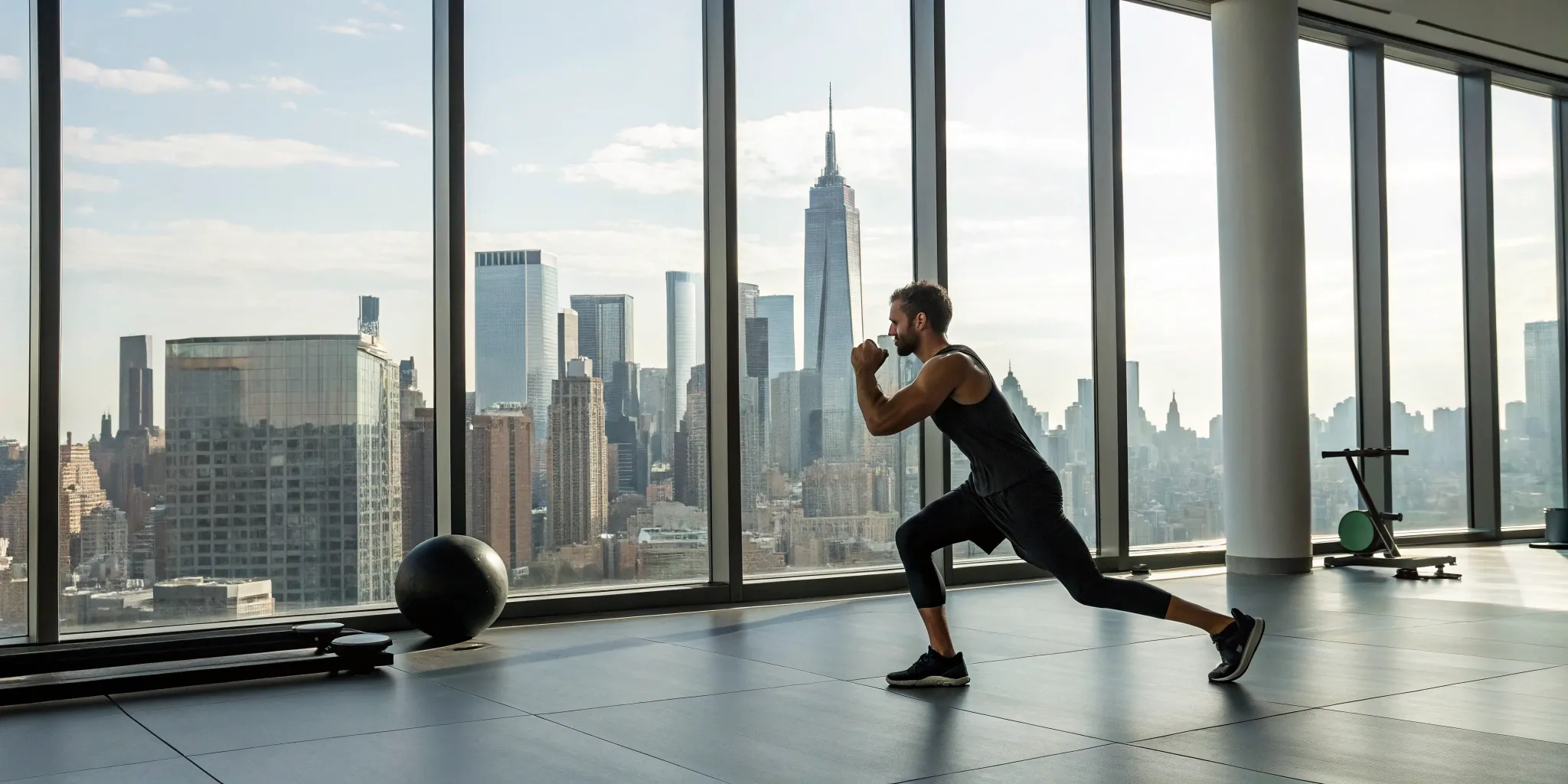
When it comes to fitness facilities, SoHo offers more than just a room with weights. A prime example is the Soho Health Club, which is designed for those who view wellness as a crucial part of their life. It features advanced fitness equipment and amenities geared toward performance and longevity, like infrared saunas and steam rooms. This isn't your average gym; it's a comprehensive environment for both training and recovery. While these clubs provide excellent tools, the real key to progress is a plan designed specifically for you, which is where personalized coaching makes all the difference in achieving targeted results.
Where to Find Healthy Meals and Wellness Services
Your workout is only half the battle; proper nutrition is what fuels your success. SoHo’s food scene is vibrant, and it’s easy to find spots that align with a healthy diet. The neighborhood’s commitment to well-being is clear, with many restaurants and cafes offering clean, high-quality meals perfect for a post-workout refuel or a business lunch. For those seeking a more structured approach, services offering personalized fitness and nutrition systems can help create a custom plan. A tailored diet is fundamental for men over 35 who want to optimize their energy, build lean muscle, and maintain peak cognitive function for the long haul.
SoHo vs. Other NYC Neighborhoods: What's the Difference?
Every New York neighborhood has its own distinct rhythm, and SoHo’s is a compelling blend of artistic soul and modern luxury. Unlike the buttoned-up polish of the Upper East Side or the sprawling, residential feel of the Upper West Side, SoHo offers a more concentrated, fashion-forward experience right in the heart of downtown. It’s a place where history and commerce live side-by-side on cobblestone streets. If you’re trying to decide where to spend your time, understanding what sets SoHo apart is key. It’s more than just a location; it’s a lifestyle choice, whether you’re visiting for an afternoon or looking for a new home base.
The Vibe: Lifestyle and Demographics
SoHo’s atmosphere is a unique mix of creative energy and sophisticated polish. Its past as an artists' haven is still visible in the iconic lofts and galleries, but the neighborhood has matured into one of the city's most affluent areas. The demographics of SoHo show a high average household income, attracting successful professionals and entrepreneurs who appreciate its central location and vibrant culture. Unlike the quieter, more family-centric feel of neighborhoods like Tribeca, SoHo maintains a dynamic, energetic pulse fueled by a constant flow of stylish locals and international visitors. It’s a community for those who want to be in the center of it all, surrounded by the best in art, fashion, and design.
What to Expect in Terms of Culture and Cost
SoHo’s transformation from a gritty industrial district to a global destination for style sets the stage for what you’ll find here today: quality comes at a premium. The cost of living, dining, and shopping is on the higher end, but it delivers an experience to match. Culturally, the neighborhood is rich with world-class art galleries, architectural beauty, and an incredible culinary scene. It’s also a premier destination for luxury shopping, where you can find flagship stores for top designers next to one-of-a-kind boutiques. This focus on high-end retail and culture makes it different from the more eclectic, bohemian vibe of the East Village or the corporate gloss of the Financial District.
Tips for Your First Visit to SoHo
SoHo is a neighborhood that rewards exploration. While it’s easy to get drawn in by the big-name stores on Broadway, the real character of the area is found by wandering its side streets and looking beyond the storefronts. To make the most of your time, it’s best to have a loose plan. Think of it less as a strict itinerary and more as a guide to help you discover the neighborhood’s unique energy at your own pace. With its rich history and stunning architecture, SoHo is best experienced on foot, so wear comfortable shoes and get ready to explore one of downtown’s most iconic districts.
The Ideal Walking Route for Exploring the Cobblestone Streets
SoHo’s journey from a gritty industrial hub to a vibrant arts community and now a world-class shopping destination is a story best told by its streets. To truly appreciate this transformation, you have to walk them. The neighborhood is incredibly accessible, with several subway lines (N, R, 6, B, D, F, M, C, E) stopping at stations like Prince Street, Spring Street, or Broadway-Lafayette.
A great way to start is by exiting the subway at Prince Street. From there, you can walk down Broadway to see the major flagships, then weave west onto streets like Mercer, Greene, and Wooster. These are the heart of the Cast-Iron Historic District and are generally a bit quieter than Broadway. You can admire the architecture, pop into boutiques, and feel the area's artistic history. Finish your walk along West Broadway, known for its art galleries and cafes. This simple loop gives you a fantastic overview of everything the neighborhood offers.
A Quick Guide to Neighborhood Etiquette
The most important piece of advice for visiting SoHo is this: slow down. If you rush through, you’ll miss the details that make it special. The area is packed with history, and its architectural beauty is one of its main draws. As you walk, make a point to look up. The ornate facades of the cast-iron buildings are incredible, and you’ll miss them completely if your eyes are fixed at street level. This simple act can completely change your experience and help you discover the hidden gems that define SoHo's charm.
On a practical note, be prepared for crowds, especially on weekends. The sidewalks can get congested, so a little patience goes a long way. And while style is key in SoHo, prioritize comfort for your feet. Those cobblestone streets are beautiful but can be unforgiving, so choose your footwear wisely.
Related Articles
Frequently Asked Questions
What's the best way to spend an afternoon in SoHo? Start by grabbing a coffee and then wander through the quieter cobblestone streets like Greene and Mercer. This is the heart of the Cast-Iron Historic District, so be sure to look up and appreciate the incredible building facades. From there, you can browse the art galleries along West Broadway before exploring a few of the flagship stores. It’s a perfect mix of culture, history, and style.
Is SoHo just a place for high-end shopping? Not at all. While SoHo is a world-class shopping destination, that’s only part of its story. The neighborhood’s true character comes from its history as an artists' colony and its stunning 19th-century architecture. It’s a fantastic place to explore art galleries, enjoy a great meal, or simply soak in the unique, creative energy that you won’t find anywhere else in the city.
Why is everyone so focused on the architecture in SoHo? SoHo’s architecture is a big deal because it’s home to the world's largest collection of cast-iron buildings. This was a groundbreaking construction method in the late 1800s that allowed builders to create elaborate, decorative facades that looked like carved stone but were much cheaper and faster to produce. These historic buildings, originally factories, are what give the neighborhood its distinct, grand appearance.
How is SoHo different from a neighborhood like Greenwich Village? Think of SoHo as the polished, high-fashion counterpart to the Village's bohemian, residential charm. While Greenwich Village is known for its winding streets, historic townhouses, and cozy, intimate feel, SoHo has a more energetic, commercial pulse. It’s a global destination for art, fashion, and design, with a grander scale and a more sophisticated, fast-paced atmosphere.
Can I find a good meal in SoHo that won't derail my health goals? Absolutely. SoHo has plenty of excellent restaurants that prioritize high-quality, fresh ingredients, making it easy to eat well. You can find fantastic grilled fish and seafood options at places like Lure Fishbar or enjoy lean proteins and vegetable-focused dishes at Mediterranean spots. You don’t have to choose between a great dining experience and staying on track with your fitness.
Comments